

Bridging the Cybersecurity Skills Gap: From Talent Shortage to Business Risk
The global cybersecurity landscape is facing a silent crisis — a shortage of skilled professionals capable of defending organizations from ever-evolving digital threats. What was once seen as an HR challenge has now escalated into a critical business risk. With cybercrime costs projected to reach $10.5 trillion annually by 2025, every unfilled cybersecurity role represents a potential vulnerability
The Reality of the Skills Gap

Cybersecurity demand continues to surge as cloud services, SaaS platforms, and IoT devices expand the attack surface. Organizations now require not just technical expertise, but also analytical and experiential depth to counter sophisticated threats — many of which are increasingly powered by automation and AI
Yet, despite growing awareness, the numbers tell a grim story: there are an estimated 4.8 million unfilled cybersecurity roles globally, and the gap continues to widen, up nearly 8% since 2024
Ripple Effects Across Enterprises

The consequences of this shortage go far beyond delayed hiring. Understaffed or under-skilled teams translate into weakened security posture, increased breach risk, operational disruptions, and stifled innovation
Financially, the cost of understaffed cybersecurity teams is staggering — longer mean-time-to-respond (MTTR) inflates breach recovery expenses, insider threats cost organizations over $17.4 million annually, and cyber-insurance premiums rise when persistent talent gaps are detected
High-Impact Shortages in Critical Areas
Certain specializations are feeling the shortage more acutely than others:
Incident Response: A lack of trained responders increases the time to detect and contain attacks, leading to greater financial loss.
Cloud Security: Misconfigurations remain one of the top breach vectors.
AI/ML Security: As organizations deploy AI, they must also defend against AI-driven threats.
Application Security: Integrating DevSecOps into the software lifecycle is essential, yet expertise remains scarce
Operational and Reputational Fallout
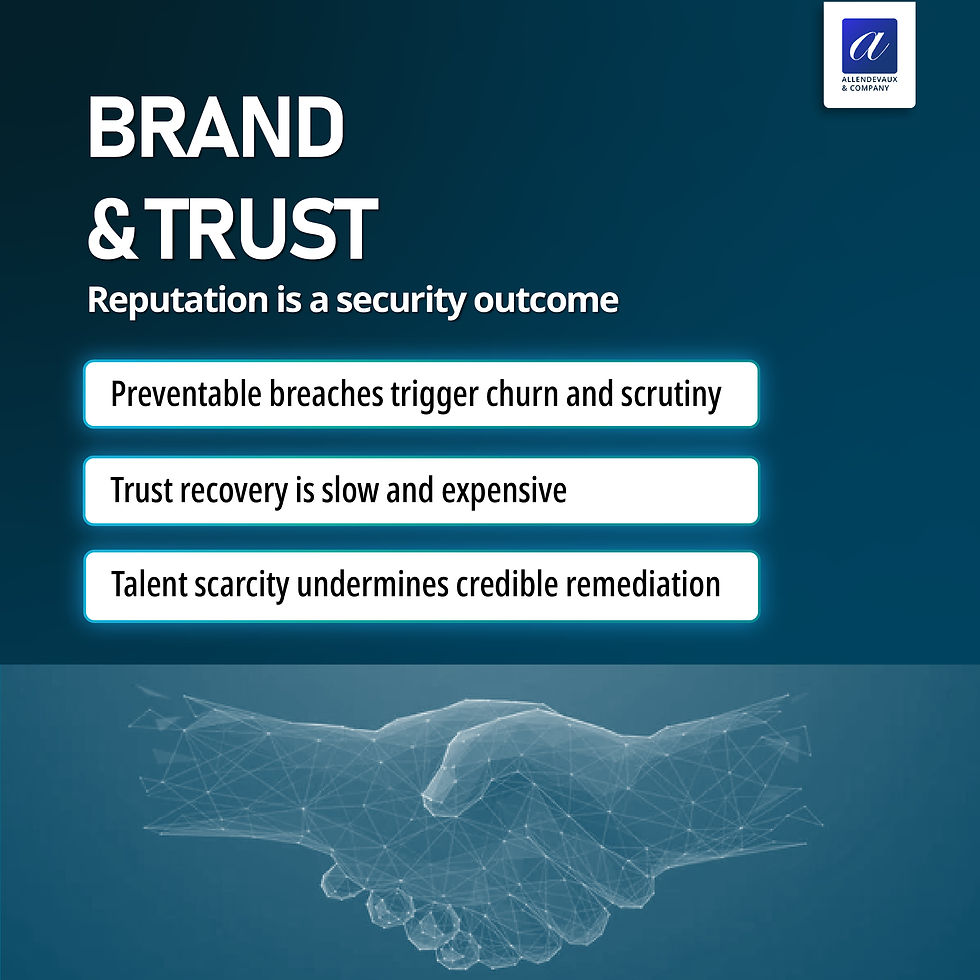
When day-to-day operations slip, the risk exposure widens. Patch and vulnerability management backlogs create open windows for attackers, while ransomware incidents can disrupt supply chains and halt critical services
On the reputational side, preventable breaches erode customer trust — and trust recovery is often slow, expensive, and incomplete
The Future Threat Landscape

The skills gap is not just a present-day problem — it magnifies tomorrow’s risks. Adversaries are evolving faster, leveraging AI to scale attacks and exploit system weaknesses. Without upskilling and proactive talent strategies, organizations risk fighting tomorrow’s cyber wars with yesterday’s playbooks
In essence, the skills gap today becomes a systemic risk tomorrow.
Closing the Gap: What Works

Addressing the cybersecurity talent shortage requires both immediate and long-term strategies. According to the report, the most effective approaches include:
Skills-based hiring: Focusing on demonstrated capabilities rather than rigid degree requirements.
Diverse pipelines: Encouraging varied backgrounds and perspectives to fuel innovation.
Security champions: Embedding cybersecurity awareness within product and IT teams.
Leadership commitment: Building a funded, leadership-led security culture that prioritizes workforce development
Final Thoughts
The cybersecurity skills gap is more than a staffing problem — it’s a structural risk that impacts resilience, trust, and business continuity. As adversaries weaponize automation and AI, organizations that fail to invest in skilled defenders risk being left exposed.
At Allendevaux and company, we help businesses strengthen their defenses through security training programs, strategic staffing partnerships, and managed cybersecurity operations designed to close the skills gap and build lasting resilience.
The message is clear: bridging the cybersecurity skills gap is not optional — it’s essential for survival in a threat-driven digital economy.


Comments